How to Read News Across Different Outlets and Recognise Media Bias
How to Read News Across Different Outlets and Recognise Media Bias
Stop scrolling. Open three reports about the same event right now. You will get three different stories. One calls it a surge. Another calls it a slight uptick. A third does not mention it at all. This is not a glitch. It is how news works. The skill you need is to read across outlets without relying on a single version. What follows shows you how to spot framing, omission, and loaded language by comparing coverage side by side, using a real recent Singapore news event.
Take the October 2025 release from the Singapore Land Authority (SLA) that a stretch of the former KTM railway land would be opened for interim community use before redevelopment. The Straits Times, CNA, and Mothership all covered it. Open all three on your phone now. The differences start in the headline and do not stop.
Framing, Omission, and Loaded Language: The Three Tools of Bias
Framing Chooses Your Angle For You
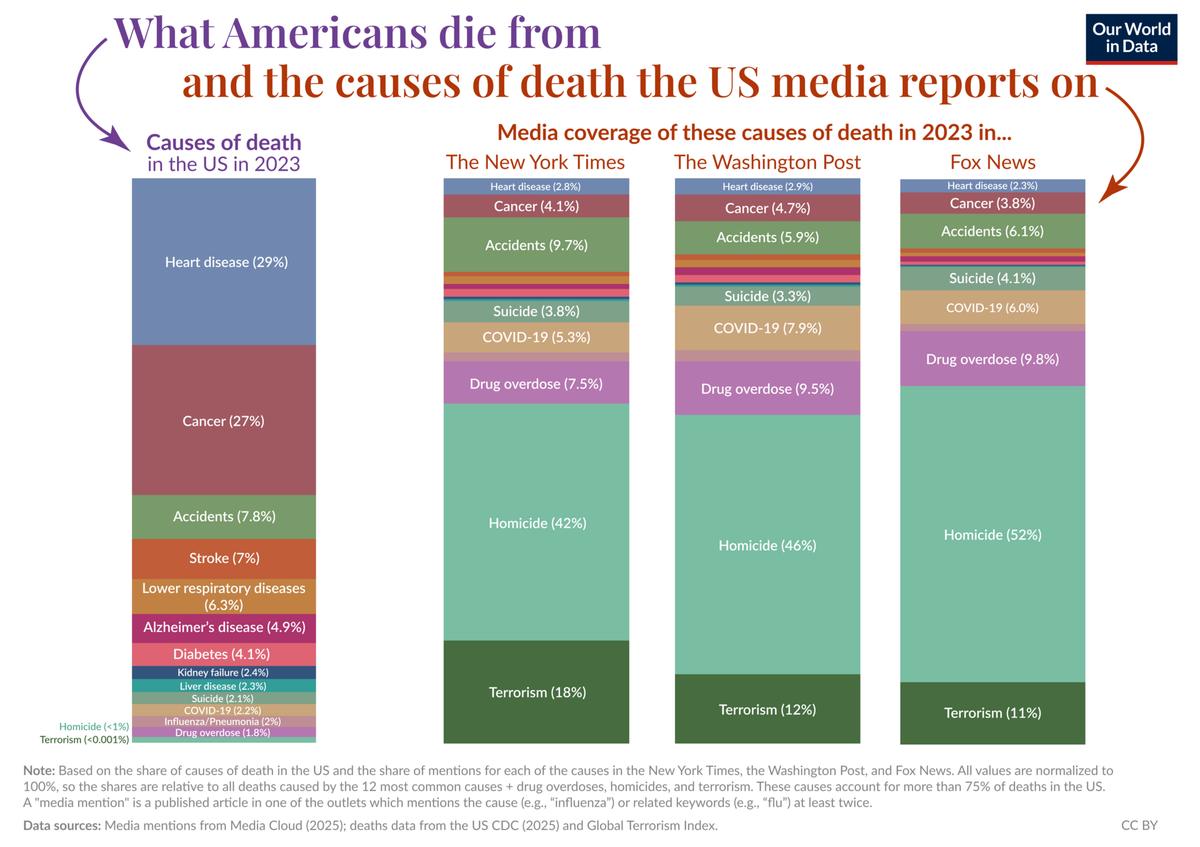
Framing is the choice of what angle to present. The SLA release is not a single fact. It is a decision with multiple implications: green space, heritage, development timeline, public consultation. Each outlet picks one.
Omission is what gets left out. A report that mentions only the community garden plan but not the 2027 redevelopment deadline has omitted the context that makes the interim use temporary. That omission changes your understanding.
Loaded language is words that carry emotional weight. Compare these headline verbs from the actual coverage: returns (ST), opens (CNA), finally opens (Mothership). The word finally implies you have been waiting and the delay was excessive. Returns frames the land as reclaimed heritage. Opens is neutral. The event is identical. The spin is not.
This is the technique you are looking for: the ability to see the choices a writer made and ask what effect those choices have on your understanding.
Side-by-Side Comparison: A Three-Article Test
Open the three pieces. Do not read them fully yet. Look only at the first paragraph, the lead. That paragraph tells you what the outlet thinks the story is about.
The Straits Times lead began: 'The former KTM railway land along the Tanjong Pagar stretch will return to public use as a community garden and heritage trail from November, three years after the land was handed back to Singapore.' The lead names the timeline (three years), the location (Tanjong Pagar), and two specific uses (garden and trail). It frames the story as a concrete plan with a start date.
CNA lead began: 'A 2.5 km stretch of the former railway land will be opened for interim community use while planning for its long-term redevelopment continues.' The word interim appears in the first sentence. The frame is temporary use, not permanent return. You know immediately this is a stopgap.
Mothership lead began: 'After years of waiting, the former KTM railway land is finally opening to the public with a pop-up community space.' The phrase after years of waiting and the word finally frame the SLA as slow and the public as patient. The word pop-up suggests something casual and short-term, which changes how seriously you take the news.
Three leads. Three frames. One event. This is not about which outlet is wrong. It is about which frame serves what purpose. If you read only one, you get only that frame.
What Is Missing From Each Report
Omission is harder to spot than framing because you are looking for something that is not there. You have to know what a complete account would include. For the SLA release, a full report would cover: the exact boundaries of the land, the duration of the interim use, the cost to the public, the consultation process, the redevelopment timeline, and the heritage status of the railway itself.
The Straits Times included the redevelopment timeline in the third paragraph. CNA put it in the first. Mothership did not mention the 2027 deadline at all. A reader of only Mothership would not know the community space is temporary.
CNA omitted the heritage trail detail that ST included. A reader of only CNA would not know the railway history is being interpreted. Mothership omitted the cost of the interim development. None of the three quoted a resident who lives next to the site. All three quoted the SLA release. The omitted voices are as important as the included ones.
To catch omission, use a checklist: who is quoted, what timeline is given, what is the stated purpose, what is the cost, who benefits, who loses. If a report answers only three of those six, you have found omission.
Lateral Reading: Leave the Article to Check the Source
Lateral reading is the single most effective verification habit. Instead of reading a piece and deciding whether it feels true, open new tabs and check the source itself before you judge the content. For the SLA stories, that means leaving each outlet's page and looking at three things: ownership, funding, and editorial stance.
The Straits Times is owned by SPH Media Trust, a company limited by guarantee with a public service mandate. Its editorial policy is on its website. CNA is owned by Mediacorp, Singapore's national media network, funded by advertising and government grants. Mothership is a privately owned digital publication funded by advertising and events. Each has a different relationship to government, advertising revenue, and audience expectations.
Lateral reading takes 30 seconds per source. Open the outlet's About page. Check its funding disclosure. Look for a corrections policy. If the outlet does not publish its ownership or corrections process, that itself is information. The absence of transparency is a red flag.
This is what lateral reading means in practice: you do not evaluate a story by reading it more carefully. You evaluate it by reading around it.
How the S.U.R.E. Framework Structures Your Check
The S.U.R.E. framework (Source, Understand, Research, Evaluate) was developed by the National Library Board and launched in 2013. It is taught in Singapore schools and libraries. It gives you a four-step sequence that works with any news story.
Source. Who wrote this? Who published it? What is their track record? For the SLA story, the source is the SLA press release. The outlet is the intermediary. Check the outlet's ownership and funding using lateral reading.
Understand. Do you know what the key terms mean? Interim use is a planning term. Heritage trail is an interpretation concept. If you do not know the terms, the framing is invisible. Look them up before you judge the piece.
Research. Compare the claim across sources. The SLA release is a primary source; the original press release is on the SLA website. That is your baseline. Every story is a secondary account. Compare each outlet's version against the primary source, not against each other.
Evaluate. Decide what weight to give the story. Does the outlet have a pattern of omission? Does the writer have a known editorial stance? Is the piece labelled as news or opinion? The SLA story is news, but an opinion column about the same release would have different standards of evidence.
Using the S.U.R.E. approach turns a vague feeling of distrust into a specific, repeatable process. You are not guessing whether something is biased. You are checking four defined criteria.
Loaded Language: Words That Do the Work for You
Loaded language is the easiest bias to spot once you know to look for it. The trick is to notice the verb and the adjective, not just the noun.
In the SLA coverage, Mothership used finally and pop-up. ST used return. CNA used interim. Each word carries a judgement that the writer did not need to state explicitly. Finally judges the SLA as slow. Pop-up judges the project as unserious. Return judges the land as belonging to the public already. Interim judges the use as temporary.
A neutral headline would read: 'SLA Announces Interim Community Use for Former KTM Railway Land.' No outlet used that. Every outlet chose a verb that advanced a frame. That is not dishonest. It is how journalism works. But if you do not notice the verb, you absorb the frame without choosing it.
When you read news, scan the first five verbs and the first five adjectives. Ask what judgement each one carries. That 10-word scan tells you more about the outlet's editorial stance than any mission statement.
Who Gets to Speak: The Voice Audit
Every news story chooses who to quote. That choice is selection bias in the sources.
In the SLA coverage, all three outlets quoted the SLA release directly. The Straits Times also quoted a heritage activist. CNA quoted a resident and a nature group. Mothership quoted no one besides the SLA. The difference is not accidental. ST has a heritage beat and a reporter who covers land-use issues. CNA has a community desk. Mothership operates with a smaller newsroom and relies more heavily on press releases.
This is source diversity in action. A story with only official sources is a press release, not journalism. A story that includes activists, residents, and critics gives you a fuller picture. The absence of dissenting voices is itself a signal.
When you read, count the sources. One source is press-release journalism. Two sources is a basic report. Three or more sources from different perspectives is a fuller account. If every quote supports the same position, ask who was left out.
The Danger of False Balance
False balance, also called both-sidesism, is when a reporter gives equal weight to two sides of an argument that do not have equal evidence. It is not neutrality. It is a form of bias that makes you think a debate exists when it does not.
In the SLA story, there is no debate about whether the land is being redeveloped. The SLA has a timeline. A false-balance piece would quote someone who says the redevelopment is delayed and someone who says it is on schedule, treating both claims as equally valid. None of the three outlets did this. But on other topics (climate change, vaccine safety, electoral integrity) false balance is a known problem in Singapore news coverage.
To spot false balance, ask whether the two positions cited have different evidentiary standards. If one side has peer-reviewed data and the other has an anonymous comment, they are not equal. A story that presents them as equally credible is misleading.
News Media Ownership in Singapore: Why It Matters
Who Owns What
Singapore's news media landscape is small. Most outlets are owned by two entities: SPH Media Trust (ST, The Business Times, Lianhe Zaobao, Berita Harian) and Mediacorp (CNA, Channel 8, Suria, Vasantham). Mothership and Yahoo News Singapore are independent but smaller. Today is owned by Mediacorp.
Ownership affects editorial stance. An outlet owned by a publicly funded entity may be less likely to criticise government policy. An outlet dependent on advertising revenue may avoid stories that alienate advertisers. An independent outlet may have more freedom but fewer resources for original reporting.
This is not a conspiracy. It is a structural reality. When you check the ownership of an outlet before reading its coverage, you are doing the same thing a journalist does before interviewing a source: assessing their interests.
The Confirmation Bias Trap: Why You Want to Be Wrong
Confirmation bias is the tendency to believe information that supports what you already think. It is the most common reason people fail to spot bias. Not because they cannot see it, but because they do not want to.
If you already distrust the SLA, you will gravitate toward the Mothership piece that frames the news as overdue. If you trust government releases, you will prefer the ST or CNA framing. Neither choice is based on the quality of the reporting. Both are based on your existing beliefs.
The antidote is deliberate discomfort: read the outlet you least expect to agree with. If you usually read ST, open Mothership. If you usually read Mothership, open CNA. Compare the leads. The gap between what you expected and what you find is where your own bias lives.
The One Thing That Most Often Goes Wrong
Readers who learn about media bias often make one mistake: they conclude that all news is equally unreliable and stop trusting anything. That is not media literacy. That is cynicism dressed up as sophistication.
Media literacy is the ability to judge whether a claim is true, not whether it feels true. It is a set of practised habits, not a political stance. The habit that matters most is comparison. Open three stories. Compare the leads. Check the sources. Notice the verbs. Ask who is missing. That is the skill. Everything else is commentary.
Tomorrow, when the next Singapore news event breaks (a new policy, a transport disruption, a public health announcement) open three outlets before you share one. That single act of comparison will tell you more about the story than any single account ever could.
Common Questions
What is the difference between framing and lying?
Framing is the choice of what angle to present. It is not false. A framed story contains true facts but selects which ones to emphasise. Lying is presenting false facts. Framing is inevitable in journalism. Lying is a failure of ethics. You spot framing by comparison. You spot lying by fact-checking against primary sources.
How do I find the primary source for a news claim in Singapore?
Search for the government agency or organisation named in the piece. If the story says the SLA announced something, go to the SLA website and find the press release. If the story quotes a study, find the study. The primary source is always the original document, not the news report. Use the outlet's name plus the topic plus 'press release' as your search terms.
What should I do if I see loaded language in a headline?
Notice it and name it. Ask yourself what judgement the word carries. Then read the story to see if the body supports that judgement. If the headline says 'finally opens' but the piece says the timeline was announced 18 months ago, the headline is misleading. If the piece supports the headline, the judgement is editorial, not neutral.
How many news outlets should I compare for a fair picture?
Three is the minimum. One gives you a single frame. Two gives you a binary. Three gives you a spectrum. If you can read four or five, do it. The goal is not to find the 'correct' outlet but to see the range of frames in use. The range itself is the information.
Is it possible to write a completely unbiased news article?
No. Every choice (which fact to put first, which source to quote, which verb to use) is a judgement. The goal is not to eliminate bias, which is impossible. The goal is to make bias visible so you can account for it. A piece that acknowledges its own limits is more trustworthy than one that pretends to be objective.
What is the S.U.R.E. framework and how do I use it?
S.U.R.E. stands for Source, Understand, Research, Evaluate. It is a four-step verification sequence developed by the National Library Board and launched in 2013. To use it, check the source of the information, make sure you understand the key terms, research the claim by comparing it to the primary source, and evaluate the weight of the evidence. It works for news, forwarded messages, and social media posts.
How do I know if an outlet has a specific editorial stance?
Read its About page. Check its funding disclosure. Look for a corrections policy. Read a week of its coverage on one topic and note which sources appear most often. If every story on a topic quotes the same type of source, that is a pattern. The pattern is the editorial stance in practice, not in theory.