How to Spot Fake News With a 10-Point Checklist for Singapore Readers
Close the forwarded message. Open a browser. Search for the claim's subject plus the word 'Singapore'. The fastest way to catch a falsehood is to stop reading the message and start reading what the rest of the internet says about its parts. That single move, lateral reading, exposes more lies than any other habit you can build. Below is a 10-point verification checklist for Singapore readers. Each point names one concrete tell and the exact step that exposes it. Run the whole list on any post, image, or forwarded message in under three minutes. No special software. Nothing to pay.
The core mental move is lateral reading, a term from a 2017 Stanford History Education Group study. Professional fact-checkers verify claims by leaving the original page and opening new tabs to see what other sources say. They do not stay on the page to analyse it. They do not read it more carefully. They leave. Re-reading a suspicious screenshot four times is the opposite of what works. Opening a fresh tab and typing the claim's key phrase plus 'Singapore fact check' is the real work. Three Singapore fact-checking operations cover different ground. Factually, the portal run by the Ministry of Digital Development and Information, has published clarifications since 2012. Black Dot Research is an independent non-profit founded in 2021. The Straits Times runs CheckMate, a fortnightly verification column. None of them covers everything. On a high-stakes claim, check two, not one.
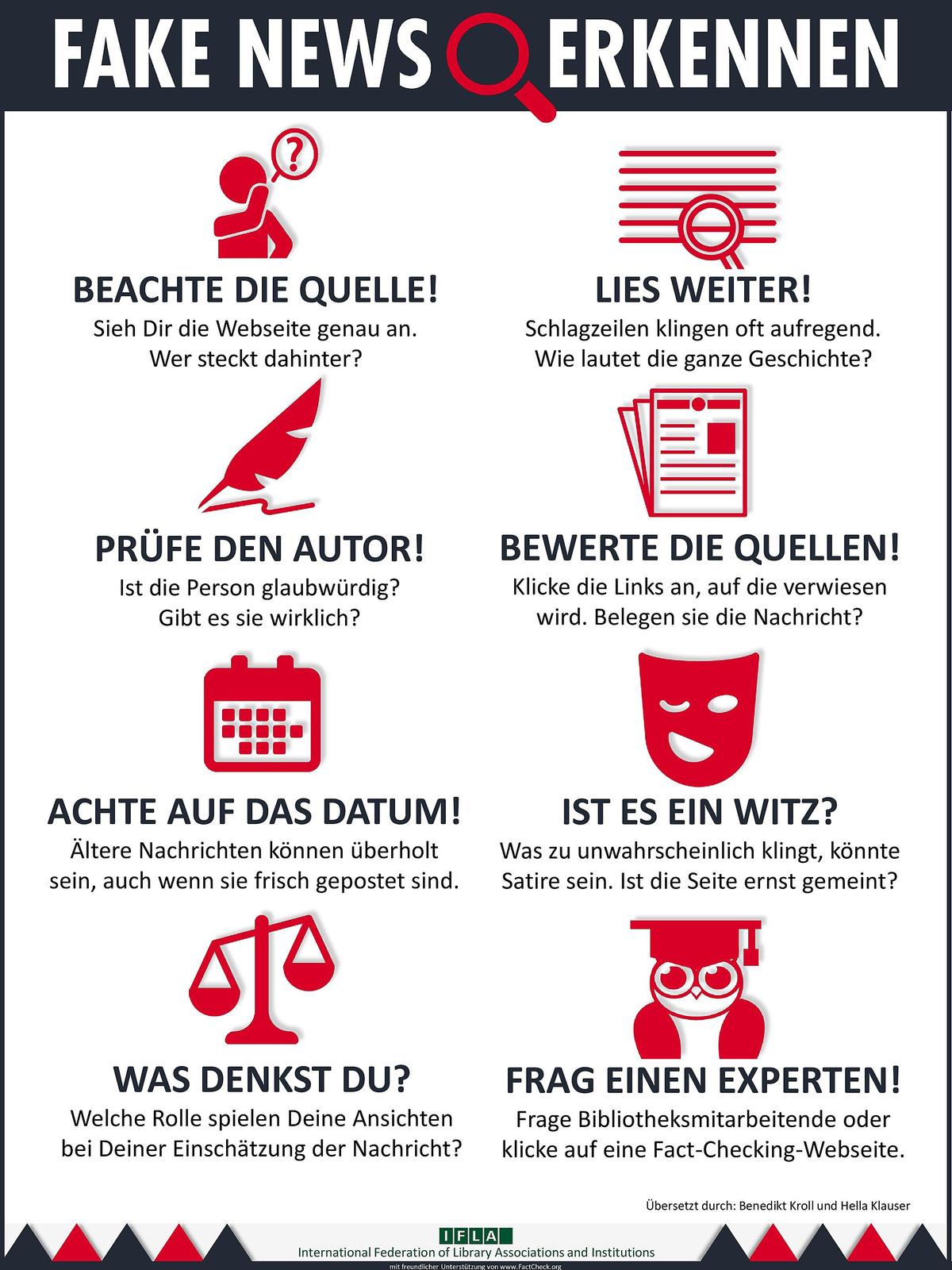
Before the checklist, a measure of the problem. The Singapore Police Force Anti-Scam Command reported that scam victims lost S$651.8 million in 2023. The figure rose to S$1.1 billion in 2024. The single largest driver is the impersonation scam: the perpetrator poses as a government official, a bank officer, or a family member. Nearly every one of those scams begins with a false claim delivered by a familiar-looking channel. A text from 'DBS' that is not from DBS. A call from 'ICA' that is not ICA. A WhatsApp voice note from 'your son' that is not your son. The falsehood is the engine. The scam is the vehicle. Spot the falsehood at the speed of a single glance and you defund the entire industry. That is what the checklist is for.
The ten tells below are concrete. Each one is a thing you can see with your eyes or feel with your gut, and each has a single action that exposes it. Run the ten steps in order. Skip none. On a low-stakes claim you will complete all ten in under two minutes. On a high-stakes one, the extra minute is the best investment you will make all day.
Point 1, Consider the Source. The tell: the message arrives from a friend, a relative, or a group chat, not from the organisation it claims to be from. The action: open the message, tap the sender's name, and check the phone number. A genuine message from the Ministry of Health comes from an official channel, not from an unsaved mobile number with no profile picture. If the message claims to be from a government agency but arrives from a personal number, it is not from that agency. That is not a hard call. The 'forwarded-as-received' label on WhatsApp exists for exactly this reason. The labels on Telegram and SMS work the same way. A forwarded message is a claim that someone else believes something, not a claim that the thing is true. Treat it as what it is: a rumour in transit, not a fact at rest.
Point 2, Read the URL. The tell: a web address that looks almost right. Straitstimes.com.co. Mediacorp.sg.info. Gov.sg.cc. The action: do not click the link. Open a new tab, type the organisation's real name, and find the correct domain through search results. In Singapore, genuine government sites end in .gov.sg. That is the whole domain, not a prefix. A site called gov.sg.info is not the government. This is the officialdom halo in action: the message borrows a familiar name and a plausible-looking URL, and the urgency of the claim does the rest. The failure mode is sharing the message because it references a current event or a fresh-looking screenshot, the recency bias, without checking whether the channel is genuine. When in doubt, type the URL yourself. Do not click the one in the message.
Point 3, Look for the Original Source. The tell: the message names no original source at all, or worse, says 'the news is not covering this', a claim that the media is suppressing the story. The action: search for the claim's subject plus the word 'Singapore' plus the name of the organisation the message says is involved. If the claim were true, you would find a report on the CNA website, an article in The Straits Times, or a statement on the Factually portal. If you find nothing, the claim is likely false, or at best unverified. Here is a real example. In 2023, a fake news article circulated claiming the government was planning to fine people for carrying durians on the MRT. The claim was absurd, but it spread because it provoked anger, the emotional override. A two-second search on Factually would have shown no such announcement existed. The absence of a source is a source in itself.
Point 4, Assess Supporting Sources. The tell: a single link, a single screenshot, or a single named 'expert' who is never named. The action: click the one link and see if it says what the message claims it says. A real article has a headline, a byline, a date, and a body that matches the claim. A faked article has a headline that matches the claim and a body that does not exist, or a body that is a wall of text with no paragraphs. When The Straits Times' CheckMate column investigated a viral claim about HDB rental prices in 2023, it found the 'evidence' was a screenshot of a Reddit post cropped to remove the parts that contradicted the claim. The single-source settlement, accepting a claim because one source confirms it, is how this spreads. The fix: check whether the source is independent. If the only source is the message itself, the message is not a source.
Point 5, Check the Date. The tell: the message has no date, or the screenshots inside it are from a different year. The action: look for the original post the screenshot came from. A screenshot of a news article from 2020 that says 'the government has just announced' is not evidence of anything in 2025. The recency bias makes old news feel fresh. A cropped screenshot removes the timestamp that would expose it. In 2024, a viral WhatsApp message warned of a 'new' scam involving fake police officers, complete with a photo of a man in a police uniform. Black Dot Research traced the photo to a 2019 article about an unrelated case. The warning was real, but it was five years old and the photo was not of the scam at all. The check: a reverse image search of any photo in the message. It will show you where else the image has appeared. If it has appeared before, the 'breaking' claim is broken.
Point 6, Pay Attention to Your Emotions. The tell: the message makes you feel something. Rage. Fear. Hope. Disgust. The action: notice the feeling and stop. The emotional override is the single strongest signal that a message is false. The message was designed to produce that feeling and bypass your judgment. Scam messages and misinformation in Singapore follow the same emotional playbook: fear of a fine, fear of a government crackdown, fear for a family member's safety, or the hope of a too-good-to-be-true giveaway. When you feel the emotion, that is the cue to start the checklist, not to act on it. The real test: would you share this message if it were boring? If the answer is no, the message is not being shared for its truth value. It is being shared for its feeling value. That is the tell.
Point 7, Look for Verification. The tell: the message claims to have been 'verified' by the Singapore Police Force, the Ministry of Health, or the government of Singapore, without providing any evidence. The action: search the official body's name plus the subject of the claim. If the claim were true, the Singapore Police Force Anti-Scam Command would have published it on its own channels, not as a WhatsApp forward. Genuine verified claims come with a URL on a .gov.sg domain. Fake verified claims come with a screenshot of a made-up notice. In 2023, the Police Force issued a scam alert about a 'safe money' scam. Within a week, a fake version of that alert was circulating with a different phone number. The official alert had a URL. The fake one did not. Officialdom halo is the failure mode: believing a government logo means the message is real. The fix: check the government's own website, not the screenshot.
Point 8, Use a Reverse Image Search. The tell: the image in the message looks exactly like something that should be on the news, but you have never seen it before. The action: save the image to your phone, open Google Images or TinEye, and upload it. The tool shows you where else the image has appeared. If it has appeared on a 2018 Reddit thread about a flood in Jakarta, it is not a photo of a flood in Singapore today. That is a reverse image search, and it works for screenshots, too. When CNA's Sure Anot segment investigated a viral photo of a 'shark in the Marina Bay Reservoir' in 2022, the reverse image search showed the photo was taken in South Africa years earlier. The tool does not require skill. It requires the habit of using it. The failure mode is tool over-trust, assuming the tool is infallible, but for spotting a recycled image, it is good enough to raise the doubt that should stop you sharing.
Point 9, Check the Wording. The tell: the message contains spelling mistakes, grammatical errors, or language that sounds just slightly off. The action: read the message out loud. If it does not sound like the way a government agency, a bank, or a professional newsroom would write, it is probably not from them. A fast-food restaurant in Singapore once received a complaint about its food. The complaint turned out to be a viral hoax that used a photograph of a different restaurant's food. The wording was the tell: the hoax used the phrase 'I am very disappointed' in a way that no actual customer had ever written. In 2024, a fake email from 'DBS' telling customers their account was locked used the phrase 'You have been selected for a security upgrade.' The real DBS does not write that way. The impersonation scam relies on the reader not noticing the unusual phrasing. It is a cheapfake, a low-effort imitation, and it is everywhere.
Point 10, Check Other Sources (Triangulation). The tell: the message cites exactly one source, or no source, for a claim that should have many. The action: search for the claim on at least two independent sites. This is the triangulation step, and it is the most important one. The S.U.R.E. method from the National Library Board, Source, Understand, Research, Evaluate, teaches exactly this: do not stop at the first source. When the Ministry of Digital Development and Information issued a POFMA correction in 2023 for a Facebook post about housing policy, the correction was published on Factually, but the original post was still circulating. A reader who checked only the original post would have been misled. A reader who checked Factually, CNA, and The Straits Times would have seen the full picture. A claim is not true because one source says so. It is true because the evidence across multiple independent sources supports it.
The law has teeth, and it is worth knowing how the teeth work. The Protection from Online Falsehoods and Manipulation Act, POFMA, allows the government to issue correction directions to platforms and individuals who spread false statements of fact that are against the public interest. A correction direction does not take down the post. It requires the platform to show the correction alongside the original post, in a way that is clear and proportionate. The POFMA Office administers this process. As of the research briefing, the Online Criminal Harms Act, assented in June 2023, also criminalises certain forms of deepfake content. Singapore law prohibits AI-generated content that realistically depicts candidates saying or doing things they did not say or do during an election period. A reader who encounters a POFMA correction should understand what the correction means: the government has determined, through its process, that the claim is false. You do not have to agree with the process to understand what the correction is saying.
There are two kinds of false content, and the distinction changes what you do about it. The first is a deepfake: AI-generated synthetic media that can put words in a person's mouth or a person in a place they never were. The second is a cheapfake: low-effort manipulation like cropping an old photo, using a misleading caption, or re-contextualising a video. Both exploit the AI realism trap, where you believe an image or video because it looks real. The verification step is the same for both. Slow down. Look for the original. Run a reverse image search. Check the date. In 2024, a video of a prominent Singapore politician 'speaking' in a way that would have been scandalous circulated on TikTok. It was a deepfake. The tell: the mouth movements did not quite match the audio track, and the lighting was slightly off. The tools to make deepfakes improve every month, which means the visual tells change. The habit of checking never changes.
Where do you check? Factually publishes government clarifications. It is the fastest place to see if a claim about a policy or a government statement has been corrected. Black Dot Research is independent, publishes its methodology, and is a member of the International Fact-Checking Network. You can inspect its funding and its corrections policy. CheckMate in The Straits Times does long-form verification of a single claim, names its sources, and shows its evidence chain. CNA's Sure Anot does a video segment short enough to watch at 1.5x speed. You do not need to follow all four. You need to follow two, so that you can triangulate. If you have five minutes, check all four. If you have thirty seconds, check Factually and Black Dot Research. If a claim is not worth thirty seconds, it is not worth sharing either.
'I shared it because I was shocked' is the most common confession in every fact-checking column. It is also the confession of someone who has just amplified a falsehood. The verification bypass, sharing a claim with a comment like 'Is this true?' without waiting for an answer, is how rumours become trends. When you share a claim you have not verified, you are not being neutral. You are being a delivery vehicle. The platforms have made this easier by rewarding engagement. The algorithms have made it worse by filling your feed with more of what you engage with, the echo chamber. The only defence is to break the habit before you share. Run the ten-point checklist. It takes three minutes. Then share, or do not. The three minutes is the cost of not being a tool.
A note on the limits of any checklist. The specific examples cited here, the durian fine, the shark in the reservoir, the fake DBS email, are true as of the research, but the specific falsehoods circulating in Singapore change weekly. The ten tells do not change. The verification steps do not change. If you internalise nothing else, internalise the three-minute habit: when a message makes you feel something, check the source, check the date, check the image. The source transparency of the fact-checker matters, too. A fact-check that does not name its sources or show its evidence is a claim, not a fact-check. The IFNC code requires its members to commit to transparency of sources, funding, and methodology. If a site does not show its work, it is not doing the work.
Two more failure modes are worth naming because they look like virtue. The first is correction blindness: seeing a fact-check that contradicts what you believe and dismissing it because you do not trust the source. That is confirmation bias wearing a trench coat. The second is privacy resignation: assuming that because data breaches happen, there is no point in managing your settings. Both are excuses. Neither changes the fact that a false claim shared by you, with your name on it, is a false claim that you endorsed. The Singapore Police Force does not care whether you were angry when you shared it. The person who reads it does not care either. They will just believe it, and they will share it, and the chain continues until someone breaks it. That someone is you, the next time a forwarded message makes your pulse quicken.
The ten points above are the delivery. What they are not is a guarantee. No checklist can catch every falsehood. The people who make falsehoods are always working on the next one. What the checklist does is raise the cost of lying. When you check, you make the liar's job harder. When you do not check, you are the liar's partner. The S.U.R.E. method from the National Library Board, taught in Singapore's schools and libraries since 2013, is a four-step framework: Source, Understand, Research, Evaluate. The ten points on this page map directly onto those four steps. Source is points 1 and 2. Understand is point 6. Research is points 3, 5, 8, and 10. Evaluate is everything else. If you remember the framework, you do not need to memorise the ten points. You just need to remember to step back.
One more practical detail, because it is the difference between a checklist you can use and a checklist you cannot. The reverse image search on a phone is not a separate app. On an iPhone, press and hold on the image; the share sheet offers 'Search with Google'. On Android, Google Lens is built into the camera app. The tool is already in your hand. The failure mode is privacy concern: the worry that uploading an image to a public service exposes your data. That concern is valid. Do not upload a screenshot that contains your bank account number, your NRIC, or your face. Crop the screenshot first. The tool does not need to see your personal details to find where the image came from. It needs to see the image. A cropped version is enough.
The honest caveat that ends this: the ten-point checklist will not make you immune to misinformation. No one is immune. That is the uncomfortable truth every media literacy programme in Singapore, from the National Library Board's S.U.R.E. to Black Dot Research's workshops, has to confront. The moment you believe you are too smart to be fooled is the moment you are most vulnerable. You will stop checking. The evidence is in the numbers: S$1.1 billion lost to scams in 2024, a figure that went up, not down, from the year before. The people who lost that money were not stupid. They were human. They had a bad day, they were in a hurry, they saw a message from 'their bank' at a moment when they were expecting a call from their bank. The checklist is not a shield. It is a seatbelt. It works only if you click it on before you need it.
- Checklist item 1: Consider the source: check the sender's number against the official channel.
- Checklist item 2: Read the URL: type the domain yourself, never click the link in the message.
- Checklist item 3: Look for the original source: search the claim plus 'Singapore' on Factually or CNA.
- Checklist item 4: Assess supporting sources: click the one link and check the body matches the headline.
- Checklist item 5: Check the date: a reverse image search reveals if a photo is years old.
- Checklist item 6: Pay attention to your emotions: strong feelings are the top tell of a false claim.
- Checklist item 7: Look for verification: search the official body's own website, not the screenshot.
- Checklist item 8: Use a reverse image search: Google Images and TinEye expose recycled images.
- Checklist item 9: Check the wording: read the message out loud; official channels write a specific way.
- Checklist item 10: Check other sources (triangulation): confirm the claim on at least two independent sites.

.jpg)